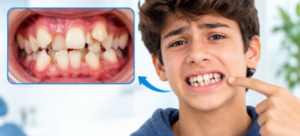
Signs Your Child May Need Braces Early

Early orthodontic care plays a critical role in your child’s long-term oral health and confidence. Many parents assume braces are only needed during the teenage years, but in reality, orthodontic issues often begin much earlier. Recognizing the signs that your child may need braces early can help prevent more serious dental problems in the future and support healthy jaw development.

Why Early Orthodontic Treatment Matters

Early orthodontic treatment, often called interceptive orthodontics, focuses on identifying and correcting issues while a child’s jaw and teeth are still developing. This proactive approach can reduce the need for complex treatments later and promote proper alignment, function, and facial balance. According to orthodontic guidelines, children should receive an orthodontic evaluation by age seven.

Common Signs Your Child May Need Braces Early

1. Crowded or Overlapping Teeth
If your child’s teeth appear crowded, crooked, or overlapping, it may indicate insufficient space in the jaw. Early orthodontic care can help guide teeth into proper positions and prevent worsening alignment issues.

2. Difficulty Chewing or Biting
Children who struggle with chewing food evenly or frequently bite their cheeks or tongue may have bite alignment problems. Early orthodontic treatment can correct these issues and improve overall oral function.

3. Early or Late Loss of Baby Teeth
Losing baby teeth too early or too late can disrupt the natural eruption of permanent teeth. Orthodontics for children helps manage spacing issues and ensures permanent teeth come in correctly.

4. Mouth Breathing or Thumb Sucking
Chronic mouth breathing or prolonged thumb-sucking can affect jaw growth and tooth alignment. These habits may lead to narrow arches, protruding teeth, or bite problems that benefit from early intervention.

5. Jaw Shifting or Clicking Sounds
If your child’s jaw shifts when opening or closing or makes clicking sounds, it may signal a misaligned bite. Early orthodontic treatment can help guide proper jaw positioning and prevent discomfort.

6. Protruding Front Teeth
Front teeth that stick out significantly are more vulnerable to injury and may indicate an overbite. Early orthodontic care can reduce this risk and improve facial harmony.

7. Speech Difficulties
Certain orthodontic problems can impact speech development. Lisping or difficulty pronouncing sounds may be related to misaligned teeth or jaw issues that can be addressed through orthodontic treatment.


Benefits of Early Orthodontic Care

Early orthodontic treatment offers several long-term benefits, including improved oral hygiene, reduced risk of tooth decay, better jaw development, and shorter treatment times in the future. It also helps build confidence by improving your child’s smile at an early age.
For families seeking orthodontic care in Jefferson City, early evaluations provide peace of mind and allow orthodontists to create personalized treatment plans based on your child’s growth patterns.

When to Schedule an Orthodontic Evaluation

If you notice any of these signs, it’s best to schedule an orthodontic consultation as soon as possible. Early detection allows orthodontists to determine whether immediate treatment is needed or if monitoring is sufficient. Clinics like Progressive Smiles emphasize preventive orthodontic care to support healthy smiles from childhood through adulthood.

Final Thoughts

Orthodontics for children is about more than straight teeth it’s about setting the foundation for lifelong oral health. By recognizing the early signs your child may need braces, you can take proactive steps toward effective orthodontic care and long-term dental success.