How Herbst Appliances Help Correct Bite Problems

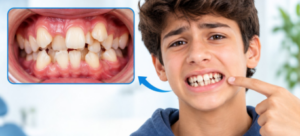
Bite problems can affect how children chew, speak, and bring their teeth together. One common issue is an overbite, which occurs when the upper front teeth extend too far over the lower front teeth. In some cases, the position of the lower jaw also contributes to the problem. Early orthodontic evaluation can help identify these concerns and determine whether treatment is needed.
A Herbst Appliance is an orthodontic device that may help correct certain bite problems, particularly in growing children and adolescents with a Class II bite relationship. At Progressive Orthodontics in Jefferson City, MO, understanding the available orthodontic treatment options can help families make informed decisions about their child's dental health.

What Is a Herbst Appliance?

A Herbst appliance is a fixed orthodontic device that uses a mechanism connecting the upper and lower teeth to guide the lower jaw forward. It is commonly used to address certain Class II malocclusions, where the lower jaw sits relatively far back compared with the upper jaw.
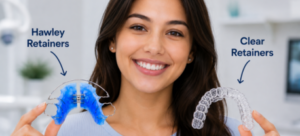
Unlike removable orthodontic appliances, a Herbst appliance generally remains in place throughout the prescribed treatment period. This allows it to work continuously without requiring the patient to remember to insert or remove it each day.
An orthodontist will assess the child's bite, jaw development, tooth alignment, and overall oral health before recommending this appliance. Not every overbite or jaw alignment concern requires Herbst appliance treatment.

Common Bite Problems in Children

Several orthodontic problems may indicate that a child could benefit from a professional bite assessment.

1. Overbite

An overbite refers to the vertical overlap of the upper front teeth over the lower front teeth. A normal amount of overlap is common, but an excessive overbite may contribute to tooth wear, discomfort, or injury to the gums in some cases.
Overbite correction depends on the underlying cause. A Herbst appliance may be considered when the bite problem is associated with the position of the lower jaw.

2. Overjet and Protruding Front Teeth

Overjet describes how far the upper front teeth extend horizontally beyond the lower front teeth. When the upper teeth protrude significantly, they may be more vulnerable to accidental injury.
An orthodontist can determine whether the problem relates primarily to tooth position, jaw development, or a combination of both. Appropriate treatment depends on the individual diagnosis.

3. Jaw Misalignment

Some children have a bite in which the upper and lower jaws do not align as expected. This may affect how the teeth fit together during chewing.
In selected growing patients, a Herbst appliance may help improve the relationship between the jaws as part of a broader orthodontic treatment plan.

How Does a Herbst Appliance Help Correct Bite Problems?

A Herbst appliance uses upper and lower attachments connected by telescopic mechanisms. These components help guide the lower jaw forward into a prescribed position.
The appliance applies continuous forces to the teeth and supporting structures, helping influence the bite relationship during treatment. In growing patients, the treatment aims to improve the relationship between the upper and lower jaws. The extent of skeletal change varies between individuals, and some of the correction may involve changes in tooth position.
The potential benefits include:

  • Improved bite alignment: Helps address certain Class II bite relationships.
  • Guided jaw positioning: Holds the lower jaw in a forward position prescribed by the orthodontist.
  • Continuous treatment: Works throughout the day because the appliance is fixed.
  • Support for comprehensive orthodontics

A Herbst appliance does not guarantee a particular outcome. Results depend on factors such as the child's growth stage, the severity of the bite problem, and adherence to the orthodontist's instructions.

Who May Benefit from Herbst Appliance Treatment?

Herbst appliance treatment is often considered for children and adolescents who have a Class II malocclusion associated with a relatively retrusive lower jaw. The timing of treatment is important because jaw growth and development can influence the treatment approach.
An orthodontic assessment may include an examination of the teeth and bite, dental records, photographs, and X-rays when indicated. This information helps the orthodontist determine whether a Herbst appliance is suitable or whether another approach would be more appropriate.
Depending on the diagnosis, alternatives may include other functional appliances, braces, clear aligners in suitable cases, or a different treatment plan. Adults with significant jaw discrepancies may require different options.

What to Expect During Herbst Appliance Treatment

After the appliance is fitted, children may experience temporary soreness, increased saliva, or difficulty speaking comfortably. These effects often improve as they adapt to the device.
Eating may also feel different initially. Softer foods can help during the adjustment period, while hard, sticky, or chewy foods should be avoided if they could damage the appliance.
Good oral hygiene is essential. Children should brush carefully around the appliance and follow their orthodontist's cleaning instructions. Regular appointments allow the orthodontic team to monitor progress and address any issues.
If the appliance becomes loose, breaks, or causes persistent pain, contact the orthodontic practice for advice rather than attempting to repair it at home.

How Long Does Herbst Appliance Treatment Take?

Treatment duration varies according to the patient's age, growth stage, bite severity, and overall orthodontic plan. Some patients wear the appliance for several months, while others may need a longer period.
The orthodontist will explain the expected timeline and monitor the bite throughout treatment. Additional orthodontic treatment, such as braces, may be recommended to refine tooth alignment after the Herbst appliance phase.
Following appointment schedules and care instructions can help treatment progress as planned.

Explore Orthodontic Treatment Options in Jefferson City, MO

Bite problems can have different causes, so choosing the right treatment starts with an individual assessment. A Herbst appliance may be a useful option for certain growing patients, but the best approach depends on their specific orthodontic needs.
Progressive Orthodontics helps patients and families explore orthodontic treatment options in Jefferson City, MO. If you have concerns about your child's overbite, jaw alignment, or developing bite, consult an orthodontic professional to understand which treatments may be appropriate.
Ready to learn more? Visit Progressive Orthodontics to explore orthodontic treatment options and take the next step towards a healthier, better-aligned smile.