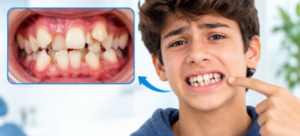
What Are Ceramic Braces? A Complete Guide

If you want to straighten your teeth without the noticeable appearance of traditional metal braces, ceramic braces may be an option worth considering. Designed to blend more naturally with your teeth, ceramic braces provide the benefits of fixed orthodontic treatment while offering a more discreet appearance.
But what exactly are ceramic braces, how do they work, and are they suitable for adults and teens?
This guide explains everything you should know about ceramic braces, including their benefits, potential drawbacks, treatment process, maintenance, and how they compare with traditional braces.

What Are Ceramic Braces?

Ceramic braces are a type of fixed orthodontic appliance used to gradually straighten teeth and correct certain bite and alignment problems. They work in a similar way to traditional metal braces, but the brackets are made from tooth-colored or clear ceramic material.
Because the brackets are designed to blend with the natural color of your teeth, they are generally less noticeable than traditional metal brackets. For this reason, they are sometimes referred to as clear braces or tooth-colored braces.
Ceramic orthodontic braces can be used to address several common alignment concerns, including:

  • Crowded or overlapping teeth
  • Gaps between teeth
  • Crooked teeth
  • Certain bite problems
  • Teeth that are rotated or improperly positioned
  • Some alignment issues involving the upper and lower teeth

The best treatment option depends on your individual orthodontic needs, which is why an evaluation with an orthodontist is important before choosing a specific type of braces.

How Do Ceramic Braces Work?

Wondering how ceramic braces work?
The basic process is similar to traditional braces. Small ceramic brackets are carefully attached to the front surfaces of your teeth. An orthodontic archwire connects the brackets and applies controlled pressure to your teeth.
Over time, this gentle, consistent pressure encourages your teeth to move toward their planned positions.
During regular appointments, your orthodontist monitors your progress and makes adjustments to the wires or other components as needed. The exact amount of movement and treatment time varies from patient to patient.
Your treatment may take longer or shorter depending on factors such as:

  • The complexity of your alignment concerns
  • Your bite
  • The amount of tooth movement required
  • Your age and individual response to treatment
  • How well you follow your orthodontist's instructions
  • Your attendance at scheduled appointments

Benefits of Ceramic Braces

One of the biggest advantages of ceramic braces is their more discreet appearance. However, appearance is not the only factor to consider.

1. Less Noticeable Appearance

The tooth-colored brackets can make ceramic braces less visually prominent than metal braces. This can be particularly appealing to patients who are concerned about the appearance of braces during school, college, work, or social activities.

2. Fixed Orthodontic Treatment

Unlike removable appliances, ceramic braces remain attached to your teeth throughout treatment. This means they work continuously according to your orthodontist's treatment plan.

3. Suitable for Many Patients

Ceramic braces may be appropriate for both teenagers and adults who need fixed orthodontic treatment. Your orthodontist can determine whether they are suitable based on your teeth and bite.

4. Can Address Different Alignment Concerns

Depending on the individual case, ceramic braces can help improve crooked teeth, crowding, spacing, and certain bite-related problems.

5. Aesthetic Alternative to Metal Braces

For patients who want traditional fixed braces but prefer a less noticeable option, ceramic brackets can provide an aesthetic alternative.

Pros and Cons of Ceramic Braces

Like any orthodontic treatment, ceramic braces have advantages and considerations.

Pros

  • More discreet than traditional metal braces
  • Tooth-colored or clear appearance
  • Fixed to the teeth throughout treatment
  • Can correct many common alignment problems
  • Suitable for many teens and adults
  • Provides an alternative to traditional metal braces

Cons

  • Ceramic brackets can be more fragile than metal brackets
  • They may require additional care to keep them looking clean
  • Certain foods may need to be limited or avoided
  • Treatment may not be the best option for every orthodontic case
  • Ceramic braces can cost more than some traditional metal-brace options

Ceramic Braces for Adults

Ceramic braces for adults can be an appealing choice for people who want to improve their smile while keeping their orthodontic treatment relatively discreet.
Adults may choose ceramic braces for several reasons, including crowded teeth, spacing, crooked teeth, or bite concerns. A less noticeable bracket can also be attractive for professionals who want to feel more comfortable during meetings, presentations, and everyday interactions.
Age alone does not determine whether ceramic braces are appropriate. Your orthodontist will evaluate your teeth, gums, bite, and overall orthodontic needs before recommending a treatment option.

Ceramic Braces for Teens

For teenagers who are conscious about their appearance, ceramic braces for teens can offer a more subtle alternative to traditional metal braces.
Teens can benefit from ceramic braces when they need fixed orthodontic treatment but prefer brackets that blend more naturally with their teeth.
Good oral hygiene and following orthodontic instructions are especially important during treatment. Regular brushing, careful cleaning around the brackets, and avoiding foods that can damage the appliance can help support a smooth treatment experience.

How Do You Care for Ceramic Braces?

Good oral hygiene is an important part of any orthodontic treatment with ceramic braces.
Because food particles and plaque can collect around brackets and wires, patients should take extra care when brushing and flossing.
Helpful habits include:

  • Brush your teeth thoroughly at least twice a day.
  • Clean carefully around each bracket and along the gumline.
  • Floss regularly using an orthodontic-friendly method.
  • Follow your orthodontist's recommendations for oral hygiene.
  • Limit foods that are hard, sticky, or excessively chewy.
  • Avoid biting directly into hard foods that could damage brackets.
  • Attend your scheduled orthodontic appointments.

Keeping your teeth and braces clean can help maintain good oral health throughout treatment.

An experienced orthodontist in Jefferson City can evaluate your smile and explain the advantages and limitations of appropriate treatment options.
It is also important to understand that orthodontic treatment is different from cosmetic procedures such as teeth whitenting. Orthodontics focuses on tooth alignment and bite correction, while professional whitening treatments focus on improving tooth colour.

Ceramic Braces vs. Metal Braces

Orthodontic treatment may help correct several

Ceramic and metal braces use similar orthodontic principles, but their appearance and material are different.
Metal braces use stainless-steel brackets, while ceramic braces use brackets designed to blend more closely with the natural color of your teeth.
The right choice isn't necessarily the one that looks best. Your orthodontist will consider your treatment needs, bite, lifestyle, oral hygiene, and personal preferences when recommending an option.
For some patients, traditional metal braces, may be the better choice. For others, ceramic braces may provide the right combination of orthodontic performance and appearance.

How Long Do Ceramic Braces Take?

There is no single treatment time that applies to everyone.
The length of your ceramic braces treatment depends on the complexity of your case and the amount of tooth movement required. Some patients may complete treatment relatively quickly, while others need a longer treatment period.
Your orthodontist can provide a more personalized estimate after examining your teeth and developing your treatment plan.
Following instructions, maintaining good oral hygiene, and attending regular appointments can help keep treatment progressing as planned.
During an orthodontic consultation, your orthodontist can assess your teeth and bite and discuss available treatment options. Depending on your needs, these may include ceramic braces, traditional metal braces, or other orthodontic solutions.
If you're considering ceramic braces in Jefferson City, MO, a personalized evaluation is the best way to understand which option is appropriate for your smile.

Get Started With Ceramic Braces in Jefferson City, MO

A straighter smile can make a meaningful difference in both appearance and oral function. If you're considering ceramic braces, the first step is finding out whether they're right for your specific orthodontic needs.
Progressive Smiles provides personalized orthodontic care for patients looking to improve their smiles and achieve better tooth alignment. Whether you're considering ceramic braces for yourself or your teen, an orthodontic consultation can help you understand your options.
Ready to explore your options for braces in Jefferson City, MO? Contact Progressive Smiles to schedule an orthodontic consultation and take the next step toward a healthier, more confident smile.

Frequently Asked Questions About Ceramic Braces

1. Are ceramic braces the same as clear braces?

Ceramic braces are often called clear braces because their brackets are clear or tooth-colored. However, the exact appearance can vary depending on the type of brackets and materials used.

2. Do ceramic braces work as well as metal braces?

Ceramic braces use the same basic orthodontic principle of applying controlled pressure to move teeth. However, suitability depends on the individual patient's orthodontic needs.

3. Can adults get ceramic braces?

Yes. Ceramic braces for adults can be an option for patients who need fixed orthodontic treatment and prefer a less noticeable appearance.

4. Do ceramic braces stain?

The ceramic brackets themselves are designed to maintain their appearance, but other components of braces may discolor over time. Good oral hygiene and following your orthodontist's dietary recommendations can help maintain a clean appearance.

5. Are ceramic braces comfortable?

Patients may experience some pressure or temporary discomfort, particularly after braces are placed or adjusted. Your orthodontic team can provide guidance on managing normal treatment-related discomfort.