If you’ve been considering orthodontic treatment for yourself or someone you care about, one of the first questions that comes to mind is: When should I see an orthodontist? The answer is simple—anytime you have concerns about the alignment of your teeth or the way your bite functions.
In some cases, the need is obvious. Difficulty chewing, speaking, or closing your mouth comfortably, as well as teeth that are crowded, protruding, or misplaced, are clear signs that it’s time to seek professional care. Orthodontists have the specialized training to diagnose and correct these issues effectively.
Other signs may be more subtle. Mouth breathing, teeth grinding, jaw shifting or clicking, or unintentionally biting your cheek or the roof of your mouth can all point to underlying orthodontic concerns.
Even more, misaligned teeth can sometimes cause facial imbalance, where certain features look out of proportion. The good news: orthodontic treatment can often restore both function and harmony to your smile—and your overall appearance.
Beyond general guidelines, there are specific recommendations when it comes to children. The American Association of Orthodontists (AAO) advises that every child receive an orthodontic evaluation by age 7—and for two important reasons. First, children’s teeth and jaw development can vary greatly at this age. An orthodontist can determine whether your child’s dental growth is progressing normally or if early signs of an orthodontic issue are present. By age 7, it’s often possible to predict whether there will be enough space in the mouth for permanent teeth.
Second, certain conditions are much easier to correct during early childhood, while the jaw is still developing. For instance, a palatal expander can successfully treat a crossbite (when upper teeth close inside the lower teeth) during growth years. Left untreated, however, this condition may later require surgery to fix.
Other childhood concerns that may benefit from early orthodontic attention include the early or delayed loss of baby teeth, thumb sucking, tongue thrusting, and chronic mouth breathing. If you notice these habits or symptoms, it may be time for a professional evaluation.
Keep in mind—early screening doesn’t always mean early treatment. In fact, most children don’t begin active orthodontic care until ages 9 to 14. But an early checkup ensures that, if treatment is needed, it can be timed for the best possible results.
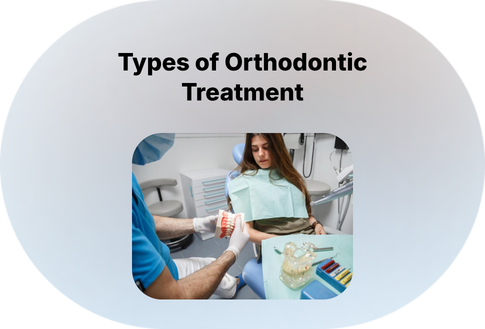
You know when your child should have an orthodontic exam—but what about you? Do you catch yourself covering your smile, or feeling self-conscious around others because your teeth aren’t as straight as you’d like? If so, the best time to see an orthodontist might be right now.
Many people still believe orthodontics is only for children, but that’s simply not the case. In fact, the American Association of Orthodontists (AAO) reports that 1 in 5 orthodontic patients today is an adult—and the number keeps growing. Why? Because the benefits go far beyond appearance.
Modern orthodontic treatment works at any age, and adults often achieve excellent results thanks to strong commitment and cooperation. Plus, with today’s discreet options—such as clear aligners, ceramic braces, and lingual braces—most people won’t even notice you’re in treatment. And remember, orthodontics isn’t just about a beautiful smile. Properly aligned teeth are easier to clean, less prone to wear, and help you eat and speak with confidence. A healthy bite supports long-term oral health—and healthy teeth can last a lifetime.
To provide exemplary care and confident smiles to all our families
Book Appointment Now