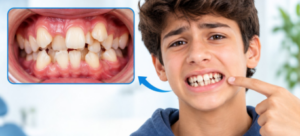
Why Are My Teeth Overlapping?

Have you noticed that some of your teeth are starting to overlap or appear crooked? You're not alone. Overlapping teeth are a common dental concern that can affect children, teenagers, and adults. Besides changing the appearance of your smile, overlapping teeth can make brushing and flossing more difficult and increase the risk of plaque buildup.
But why are my teeth overlapping, and what can you do to correct them? Understanding the causes of teeth crowding and available orthodontic treatments can help you take the right steps toward a healthier, straighter smile.

What Are Overlapping Teeth?

Overlapping teeth occur when there isn't enough space in the jaw for all the teeth to fit properly. As a result, some teeth may twist, shift forward or backward, or sit partially behind neighboring teeth.
This condition is commonly known as dental crowding or teeth crowding. It can affect the front teeth, lower teeth, upper teeth, or several areas of the mouth.
Some people experience mild crowding, while others have more noticeable crooked and overlapping teeth that affect their bite and overall dental alignment.

What Causes Teeth to Overlap?

There are several reasons why teeth may become crowded or overlap over time. Here are some of the most common causes:

1. Lack of Space in the Jaw

One of the leading causes of overlapping teeth is insufficient space in the jaw. When the jaw is too small to accommodate all permanent teeth, they may compete for space, causing them to shift, twist, or overlap.

2. Genetics and Family History

Genetics can influence jaw size, tooth size, and the overall structure of your mouth. If your parents or other family members have crowded teeth, you may also be more likely to develop similar teeth alignment problems.

3. Early or Late Loss of Baby Teeth

Baby teeth help guide permanent teeth into their correct positions. If a baby tooth falls out too early or remains in place longer than expected, permanent teeth may erupt in the wrong position, contributing to dental crowding.

4. Thumb Sucking and Childhood Habits

Prolonged thumb sucking, pacifier use, and tongue-thrusting habits can affect how teeth and jaws develop. These habits may gradually contribute to misaligned teeth and bite problems.

5. Shifting Teeth Over Time

Even if you previously had straight teeth, they can shift as you get older. Not wearing retainers after orthodontic treatment, wisdom teeth eruption, and natural changes in the mouth can contribute to overlapping teeth.

Why Should You Treat Overlapping Teeth?

Overlapping teeth are not just a cosmetic concern. When teeth are crowded, certain areas become difficult to reach with a toothbrush or dental floss.
Without proper cleaning, plaque and food particles can accumulate between teeth, increasing the risk of:

  • Tooth decay and cavities.
  • Gum inflammation and gum disease.
  • Persistent bad breath.
  • Uneven tooth wear.
  • Bite alignment problems.
  • Difficulty maintaining good oral hygiene.

Addressing teeth crowding early can help improve oral health while creating a more balanced and confident smile.

How to Fix Overlapping Teeth

The right treatment for overlapping teeth depends on the severity of crowding, your age, jaw development, and overall dental health. An orthodontic evaluation can help determine the most appropriate approach.
Here are some common options for correcting crowded teeth:

1. Traditional Metal Braces

Traditional braces use brackets and wires to gradually move teeth into their proper positions. They are an effective option for treating mild, moderate, and severe crowding, as well as more complex alignment and bite issues.

2. Ceramic Braces

Ceramic braces work similarly to traditional braces but use tooth-colored or clear brackets. They offer a less noticeable alternative for individuals who want effective teeth straightening with a more discreet appearance.

3. Invisalign Clear Aligners

Invisalign clear aligners uses a series of removable, custom-made clear aligners to gradually reposition teeth. They can be suitable for many mild to moderate crowding cases, depending on individual orthodontic needs.

4. Early Orthodontic Treatment

For children, early orthodontic treatment can help identify developing crowding and jaw alignment concerns. When appropriate, early orthodontic may help create space for permanent teeth and guide proper dental development.

When Should You See an Orthodontist?

You should consider an orthodontic evaluation if you notice:

  • Your front teeth are overlapping or twisting.
  • Your teeth are becoming increasingly crowded.
  • You have difficulty flossing between certain teeth.
  • Your bite feels uneven or uncomfortable.
  • Your teeth have shifted after previous orthodontic treatment.

The American Association of Orthodontists recommends that children have their first orthodontic check-up by age seven. However, orthodontic treatment is not limited to children. Teenagers and adults can also benefit from treatment to correct crowded and misaligned teeth.

Get Treatment for Overlapping Teeth in Jefferson City, MO

If you're concerned about overlapping teeth, getting a professional orthodontic evaluation is an important first step. At Progressive Orthodontics, patients can explore personalized treatment options based on their dental alignment, bite, and smile goals.

Whether you're considering braces, Invisalign, or other orthodontic solutions, an experienced orthodontic team can help you understand how to improve your smile.

If you're looking for an orthodontist in Jefferson City, MO, Progressive Orthodontics is here to help you explore the right approach to teeth straightening.
Don't let crowded teeth affect your confidence or oral health. Schedule an orthodontic consultation with Progressive Orthodontics and take the first step toward a straighter, healthier smile.