Can Teeth Shift Back After Invisalign? How to Prevent It

Many patients are excited to complete their Invisalign journey and enjoy their newly aligned smile. However, one common question remains: Can teeth shift back after Invisalign? The short answer is yes. While Invisalign is highly effective at straightening teeth, some movement can occur after treatment if proper retention guidelines are not followed.
Understanding why teeth shift and how to prevent it can help you protect your investment and maintain your beautiful smile for years to come.

Why Do Teeth Shift After Invisalign?

One of the most frequently asked questions by patients is, "Why Do Teeth Shift After Invisalign?"
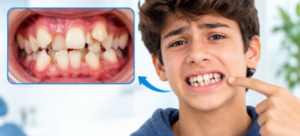
Teeth are not permanently fixed in place after orthodontic treatment. They are supported by bone, ligaments, and surrounding tissues that naturally adapt over time. After Invisalign treatment moves your teeth into their ideal positions, these supporting structures need time to stabilize.
Without proper retention, teeth may gradually drift toward their original positions. This process is known as orthodontic relapse and can occur after any type of orthodontic treatment, including braces and Invisalign.

Common Reasons Teeth May Shift

1. Not Wearing Retainers as Directed

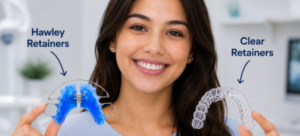
The most common cause of post-treatment shifting is inconsistent retainer wear. Retainers help hold teeth in their corrected positions while the surrounding bone and tissues adapt.
Many patients assume their teeth are permanently stable immediately after treatment, but retention is a critical part of maintaining results.

2. Natural Aging and Tooth Movement

Even individuals who have never received orthodontic treatment can experience tooth movement over time. Changes in jaw structure, chewing patterns, and aging can gradually affect tooth alignment.

3. Teeth Grinding and Clenching

Habitual grinding or clenching can place pressure on teeth and contribute to unwanted movement. If you experience these habits, your orthodontist may recommend additional protective measures.

4. Changes in Oral Health

Gum disease, bone loss, and untreated dental issues can affect the stability of teeth and increase the risk of shifting.

How to Prevent Teeth from Shifting After Invisalign

1. Wear Your Retainer Consistently

Following your orthodontist's retainer instructions is the most effective way to maintain your results. Many patients are advised to wear retainers full-time initially and then transition to nighttime wear.

2. Attend Regular Orthodontic Checkups

Periodic visits allow your orthodontist to monitor your smile and identify minor changes before they become significant concerns.

3. Maintain Good Oral Hygiene

Healthy gums and supporting bone structures help keep teeth stable. Brushing, flossing, and routine dental visits play an important role in long-term alignment.

4. Address Grinding or Clenching

If you grind your teeth at night, a custom appliance may help protect both your teeth and your orthodontic results.

What Should You Do If Your Teeth Have Already Shifted?

If you've noticed minor movement after treatment, don't panic. In many cases, small corrections can be made quickly using retainers or additional aligners.
The sooner you address shifting, the easier it is to restore your ideal alignment. Delaying treatment may allow the movement to become more noticeable over time.

Invisalign Helps Create Lasting Results

When combined with proper retention, Invisalign can provide long-lasting smile improvements. Patients who follow post-treatment instructions often enjoy stable results for many years.
If you're considering Invisalign or want to learn more about maintaining your results, explore our Invisalign Clear Aligners treatment options. Our team can help you achieve a straighter smile and provide guidance on protecting your investment after treatment.

The Importance of Ongoing Orthodontic Care

Successful treatment doesn't end when your aligners come off. Retainers, follow-up appointments, and good oral habits all contribute to long-term success.
Whether you're beginning Invisalign or exploring other forms of orthodontic treatment, working with an experienced orthodontic team ensures you receive personalized care every step of the way.

Frequently Asked Questions

1. How long do I need to wear a retainer after Invisalign?

Most patients wear retainers full-time initially and then transition to nighttime wear. Your orthodontist will provide instructions based on your individual needs.

2. Can teeth shift years after Invisalign?

Yes. Teeth can continue to move throughout life due to aging, bite changes, and inconsistent retainer use.

3. Is slight tooth movement after Invisalign normal?

Minor settling may occur, but noticeable shifting should be evaluated by your orthodontist.

4. Can shifted teeth be corrected again?

In many cases, yes. Depending on the severity, retainers or additional aligners may help restore proper alignment.

Protect Your New Smile

A straight smile is an investment worth protecting. Understanding why teeth shift after treatment and following your orthodontist's recommendations can help you enjoy lasting results. If you have questions about retainers, Invisalign, or orthodontic care, contact Progressive Orthodontics to schedule a consultation and keep your smile looking its best.