What Causes Crooked Teeth? Common Reasons and Treatment Options

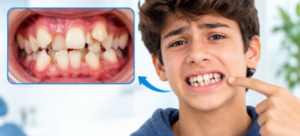
Have you ever looked in the mirror and wondered, "Why are my teeth crooked?" You're not alone. Crooked or misaligned teeth are one of the most common dental concerns affecting both children and adults. While many people think it's simply inherited, the truth is that several factors can influence how your teeth develop and align over time.
Understanding what causes crooked teeth is the first step toward protecting your oral health and choosing the right treatment. Whether your teeth have gradually shifted or you've noticed crowding since childhood, modern orthodontic care offers effective solutions to help you achieve a healthier, straighter smile.

What Causes Crooked Teeth?

Many people assume genetics is the only reason for crooked teeth, but several factors can contribute to tooth misalignment. In many cases, more than one cause is involved.

1. Genetics

Genetics is one of the most common causes of crooked teeth. If your parents had crowded teeth, bite problems, or required orthodontic treatment, there's a higher chance you may experience similar issues.
Inherited traits that can affect tooth alignment include:

  • Jaw size and shape
  • Tooth size
  • Missing or extra teeth
  • Bite alignment

A mismatch between the size of your teeth and jaw often leads to crowding and overlapping teeth.

2. Thumb Sucking and Prolonged Pacifier Use

Children who continue thumb sucking or use a pacifier beyond age three may develop alignment problems. The constant pressure can gradually move developing teeth and even affect jaw growth.
Possible effects include:

  • Front teeth protruding outward
  • Open bite
  • Narrow upper jaw
  • Misaligned bite

Early intervention can help minimize these long-term effects.

3. Early or Late Loss of Baby Teeth

Baby teeth act as placeholders for permanent teeth. Losing them too early due to injury or decay may allow neighboring teeth to shift into the empty space. As permanent teeth erupt, they may not have enough room, resulting in crooked or crowded teeth.
Delayed loss of baby teeth can also interfere with proper eruption patterns.

4. Jaw Growth and Development

Your jaw continues developing throughout childhood and adolescence. If the upper and lower jaws grow unevenly, teeth may not align correctly.
This may result in:

  • Overbite
  • Underbite
  • Crossbite
  • Crowding

An early orthodontic evaluation can identify these concerns before they become more severe.

5. Dental Injuries

An accident involving the mouth can shift one or more teeth out of their natural position. Even if the damage appears minor, the injury may affect future tooth alignment.
Prompt dental care following trauma helps reduce long-term complications.

6. Poor Oral Habits

Certain habits place repeated pressure on the teeth and jaw over time. These include:

  • Tongue thrusting
  • Mouth breathing
  • Nail biting
  • Chewing on hard objects like pens or ice

These habits may contribute to gradual tooth movement, particularly during childhood when the jaw is still developing.

What Makes Teeth Crooked Later in Life?

Even if you had straight teeth as a teenager, changes can occur during adulthood.
Several factors explain what makes teeth crooked over time:

  • Natural aging
  • Teeth shifting after braces without wearing retainers
  • Gum disease causing bone loss
  • Missing teeth allowing neighboring teeth to drift
  • Grinding or clenching your teeth (bruxism)

Because teeth naturally move throughout life, wearing retainers after orthodontic treatment is essential for maintaining long-term results.

Why It's Important to Treat Crooked Teeth

Ignoring alignment problems may increase your risk of several dental issues.
Treatment can help reduce the risk of:

  • Tooth decay
  • Gum disease
  • Jaw pain
  • Uneven enamel wear
  • Bite problems
  • Difficulty cleaning between teeth

Straight teeth are generally easier to maintain, making daily brushing and flossing more effective.

How to Fix Crooked Teeth

The best solution to fix crooked teeth depends on your age, the severity of misalignment, and your overall oral health.

  • Braces treatment: Traditional metal or ceramic braces use brackets and wires to apply steady, controlled pressure that gradually guides teeth into proper position. Braces remain the most reliable option for complex crowding, severe bite issues, and younger patients still developing their permanent bite.
  • Clear aligners (Invisalign): For mild to moderate crowding or spacing, a series of custom, removable clear trays can straighten teeth with far less visibility than metal braces, a popular choice for teens and adults who want a more discreet treatment experience.
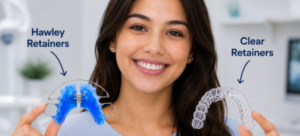
  • Retainers, and in some cases early interceptive treatment for children, round out the toolkit orthodontists use to keep a corrected smile stable for the long term.

Can White SpoWhen Should You Visit an Orthodontist?ts Be Treated?

The American Association of Orthodontists recommends children receive their first orthodontic evaluation by age seven. However, it's never too late for adults to improve their smiles.
If you've been asking yourself, "Why are my teeth crooked?", scheduling an evaluation can provide answers and personalized treatment recommendations.
Whether your concerns involve crowding, spacing, or bite alignment, an experienced orthodontist in Jefferson City can identify the underlying cause and recommend the most effective treatment plan.

Frequently Asked Questions

1. Are crooked teeth always inherited?

No. Although genetics plays a major role, habits like thumb sucking, premature tooth loss, jaw development, and injuries can also contribute to crooked teeth causes.

2. Can crooked teeth become worse over time?

Yes. Teeth naturally shift as you age, especially if missing teeth, gum disease, or failure to wear retainers after orthodontic treatment are involved.

3. Can adults straighten crooked teeth?

Absolutely. Adults of all ages can successfully straighten their teeth using braces or clear aligners.

4. How long does orthodontic treatment take?

Treatment varies depending on the complexity of your case. Most patients complete treatment within 12 to 24 months, although some cases may require more or less time.

A Straighter Smile Starts with the Right Diagnosis

Knowing what causes crooked teeth helps you make informed decisions about your oral health. While genetics is often part of the picture, lifestyle habits, jaw development, injuries, and aging can all influence tooth alignment.
The good news is that today's orthodontic treatments are more effective and comfortable than ever. Whether you need traditional braces or clear aligners, early evaluation and personalized care can prevent more complex problems in the future.
At Progressive Orthodontics, every smile is unique. A comprehensive orthodontic evaluation can identify the root cause of your tooth alignment concerns and help you choose the treatment option that's best for achieving a healthier, more confident smile.