Worried About Wearing Braces as an Adult? Your Orthodontic Treatment Options

Are you unhappy with crooked teeth or an uneven bite but worried that you're too old to wear braces? You're not alone. Many adults postpone orthodontic treatment because they feel self-conscious about wearing braces at work, worry about discomfort, or believe orthodontic treatment is only for teenagers.
The good news is that adult orthodontic treatment can help improve tooth alignment, bite function, and smile confidence at almost any age, provided your teeth and gums are healthy enough for treatment. Understanding the available options can help you make an informed decision about your smile.

Is It Too Late to Get Braces as an Adult?

It's never necessarily too late to explore orthodontic treatment. Although the jaw continues to develop during childhood and adolescence, adults can still move their teeth with appropriate orthodontic care.
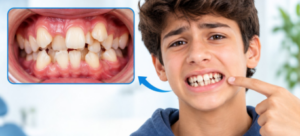
You may benefit from adult braces if you have:

  • Crooked or crowded teeth
  • Gaps between your teeth
  • An overbite, underbite, or crossbite
  • Teeth that have shifted after previous orthodontic treatment
  • Difficulty maintaining oral hygiene because of crowded teeth

An orthodontist will evaluate your teeth, gums, bite, and overall oral health to determine whether treatment is appropriate. Healthy gums and good oral hygiene are particularly important before starting orthodontic treatment.

What Are Your Orthodontic Treatment Options?

If you're worried about the appearance of traditional braces, several orthodontic options may be available depending on your individual needs.

1. Traditional Metal Braces

Traditional metal braces use brackets and wires to gradually move teeth into their desired positions. They can address a wide range of alignment and bite concerns, including more complex orthodontic problems.
Although metal braces are visible, modern designs are smaller and more comfortable than many people expect. They may be a suitable option for adults who need comprehensive tooth movement.

2. Ceramic Braces

Ceramic braces work similarly to metal braces but use tooth-colored or less noticeable brackets. This makes them an appealing option for adults who want a more discreet treatment while still using a fixed orthodontic appliance.
Ceramic braces may be suitable for certain alignment concerns, although their suitability depends on your treatment plan.

3. Clear Aligners

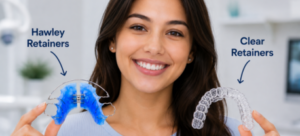
Clear aligners are removable, transparent trays that gradually move teeth. Many adults choose them because they are less noticeable than traditional braces and can be removed for eating, brushing and flossing.
However, clear aligners generally need to be worn for the prescribed number of hours each day to work effectively. They may not be appropriate for every orthodontic condition.
Your orthodontist can help you compare these options and determine which treatment best fits your dental needs and lifestyle.

Will Braces Affect Your Professional or Social Life?

One common concern among adults is how braces might affect their appearance at work, during meetings, or in social situations.
If this is holding you back, consider discussing ceramic braces or invisalign clear aligners with your orthodontist. These options may offer a less noticeable approach to treatment.
You should also consider your daily routine, treatment requirements, and willingness to follow care instructions. Choosing an option that fits your lifestyle can make the experience easier to manage.

How Long Does Adult Orthodontic Treatment Take?

Treatment time varies depending on the complexity of your case, the type of appliance used, and how consistently you follow your orthodontist's instructions.
Some cases may take less time, while more complex bite or alignment concerns may require longer treatment. Your orthodontist can provide an estimated timeline after examining your teeth and developing a personalized treatment plan.
Maintaining appointments, following appliance instructions, and practicing good oral hygiene can help support treatment progress.

Is Adult Orthodontic Treatment Worth Considering?

Straightening your teeth is not just about appearance. Correcting certain alignment problems may make brushing and flossing easier and improve the way your teeth fit together. Treatment can also help address specific bite concerns when orthodontic correction is appropriate.
However, orthodontic treatment does not guarantee that every dental problem will be resolved. Your treatment goals should be discussed with your orthodontist before beginning.

Explore Adult Orthodontic Treatment in Jefferson City, MO

You don't have to let concerns about age or appearance prevent you from exploring your options. At Progressive Orthodontics, adults can learn about available orthodontic treatments and find out which approach may suit their smile, lifestyle, and dental needs.
Whether you're considering metal braces, ceramic braces, or clear aligners, an orthodontic evaluation is a helpful first step toward understanding your options.
Ready to explore your options? Contact Progressive Orthodontics in Jefferson City, MO, to schedule a consultation and discuss your adult orthodontic treatment goals.

Frequently Asked Questions

1. Am I too old to get braces?

No specific age automatically rules out braces. Your oral health, tooth alignment, and treatment needs are more important than your age alone.

2. Are clear aligners better than braces for adults?

Neither option is best for everyone. Clear aligners may be suitable for some cases, while traditional or ceramic braces may be more appropriate for others. An orthodontist can recommend an option based on your needs.

3. Are braces painful for adults?

You may experience temporary pressure or soreness after braces are fitted or adjusted. This usually improves as you adapt, but your orthodontist can advise you on managing discomfort.

4. Can adults get braces if their teeth have shifted?

Yes. Adults with shifted teeth may be candidates for orthodontic treatment. An evaluation will help determine the cause of the shifting and the most appropriate treatment approach.