Retainers After Orthodontic Treatment

You’ve completed braces or Invisalign, and your smile looks straight, healthy, and confident. But orthodontic care doesn’t stop there. The most important step after active treatment is protecting your results with retainers for teeth.

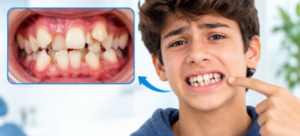
During post orthodontic treatment, your teeth and surrounding bone need time to fully stabilize. Without proper retention, teeth naturally try to shift back to their previous positions. That’s why wearing retainers after braces is essential for maintaining long-term alignment.


What Are Retainers for Teeth?

A retainer is a custom-made appliance designed to hold teeth in place after orthodontic treatment. Whether you’ve had braces or clear aligners, retainers help prevent relapse and preserve your smile.

There are several types of retainers available, each with unique benefits.

Clear Retainers

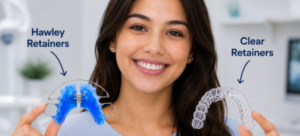
Clear retainers are transparent trays that fit snugly over your teeth. Often called an invisible retainer, they are popular because they are discreet and comfortable. They are especially appealing to adults and teens who want a low-profile option.

Invisalign Retainer

Patients who complete aligner therapy may receive an Invisalign retainer (such as Vivera retainers). These are designed for durability and long-term use while maintaining the same clear, comfortable fit as aligners.

Hawley Retainer

The Hawley retainer is a traditional removable retainer made from acrylic and a thin metal wire that rests across the front teeth. While it is slightly more visible than clear retainers, it is durable and adjustable. Orthodontists can make minor modifications to Hawley retainers if small tooth movements occur, making them a reliable long-term option.

Fixed Retainers

A fixed retainer is a thin wire bonded behind the front teeth. It stays in place permanently and provides continuous support. This option is often recommended for lower front teeth, which are more prone to shifting.

How Long Should You Wear a Retainer?

Most patients wear their retainers full-time for several months, then transition to nighttime wear. Long-term nighttime use is often recommended because teeth can shift throughout life.

Consistent wear during post orthodontic treatment is critical. Even skipping a few nights can cause tightness when reinserting your retainer a sign that minor shifting has begun.

Caring for Your Retainers

Proper care ensures your retainer remains clean and effective:

  • Wash removable retainers daily with lukewarm water and mild cleanser. Avoid hot water to prevent warping clear retainers.
  • Gently brush with a soft toothbrush to remove buildup.
  • Store your retainer in its protective case when not in use.
  • Keep it away from heat and pets.
  • For fixed retainers, brush and floss carefully around the bonded wire to maintain gum health.

Good hygiene protects both your retainer and your smile.

Why Retainers Are Essential

Orthodontic treatment moves your teeth—but retainers keep them there. Wearing your retainer as instructed protects your investment and helps maintain proper bite alignment and oral health for years to come.

Your smile is a long-term commitment, and retainers are the key to preserving it.

How Much Do Retainers Cost?

The cost of new retainers can vary depending on the type and whether they are removable or fixed. In the Jefferson City area, new retainers typically cost between $150 and $550 per arch.

Factors that influence pricing include:

  • Type of retainer (clear, Hawley, or fixed)
  • Replacement vs. first-time retainer
  • Material and durability

For an exact estimate, we recommend scheduling a consultation with our orthodontic team.

Frequently Asked Questions

1. What happens if I stop wearing my retainer?

Teeth may gradually shift back toward their original position. Consistent retainer use prevents relapse and protects your alignment.

2. Which retainer is best: clear, Hawley, or fixed?

Each type has advantages. Clear and Invisalign retainers are discreet, Hawley retainers are durable and adjustable, and fixed retainers provide continuous support. Your orthodontist will recommend the best option based on your needs.