How to Prevent White Spots on Teeth While Wearing Braces

White Spots Don't Have to Be Part of Your Braces Journey

Braces are an effective way to achieve a straighter, healthier smile, but they also make it easier for plaque and food particles to collect around brackets and wires. Without proper oral hygiene, these areas can become difficult to clean, increasing the risk of developing white spots on teeth while wearing braces.

White spots, also known as white spot lesions, are one of the most common concerns during orthodontic treatment. The good news is that they're often preventable with consistent oral care and healthy habits. In this guide, we'll explain what causes white spots and share practical tips to help keep your smile healthy throughout your braces treatment.

What Are White Spots on Teeth?

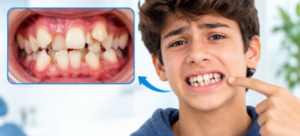
White spots are early signs of enamel demineralisation. They appear as chalky white patches on the surface of your teeth and develop when plaque remains around braces for extended periods. The bacteria in plaque produce acids that remove essential minerals from the enamel, leaving behind these noticeable white areas.
Although they may not always indicate a cavity, white spots can become permanent if left untreated.

Why Are Braces More Likely to Cause White Spots?

Brackets and wires create additional surfaces where plaque and food debris can accumulate. If these areas aren't cleaned thoroughly, bacteria begin producing acids that weaken tooth enamel.
Several factors increase the risk of white spots during orthodontic treatment, including:

  • Inadequate brushing around brackets
  • Skipping flossing
  • Frequent consumption of sugary snacks and drinks
  • Poor oral hygiene habits
  • Missing regular dental check-ups and professional cleanings

7 Tips to Prevent White Spots While Wearing Braces

1. Brush After Every Meal

Brushing after meals helps remove food particles and plaque before they have time to damage your enamel. Use a soft-bristled or electric toothbrush with fluoride toothpaste, paying close attention to the areas around each bracket and along the gumline.
Aim to brush for at least two minutes after eating whenever possible.

2. Floss Every Day

Flossing removes plaque from between your teeth where a toothbrush can't reach. Orthodontic floss threaders, interdental brushes, or water flossers can make cleaning around braces easier and more effective.
Daily flossing plays a key role in protecting your teeth from plaque buildup and enamel damage.

3. Use Fluoride Products

Fluoride strengthens tooth enamel and helps reverse the early stages of demineralisation. Your orthodontist may recommend:

  • Fluoride toothpaste
  • Fluoride mouthwash
  • Professional fluoride treatments if needed

Using fluoride regularly provides additional protection against white spot lesions.

4. Limit Sugary and Acidic Foods

Sugary snacks and acidic drinks feed the bacteria responsible for enamel damage. Reducing your intake of soft drinks, sports drinks, sweets, and sticky foods can significantly lower your risk of white spots.
Instead, choose water, dairy products, fresh fruit, vegetables, and other tooth-friendly foods.

5. Drink Plenty of Water

Water helps rinse away food particles and bacteria while supporting healthy saliva production. Saliva naturally protects your teeth by neutralising acids and replacing lost minerals.
Choosing water instead of sugary drinks is one of the simplest ways to protect your smile during orthodontic treatment.

6. Keep Your Orthodontic Appointments

Regular orthodontic visits allow your orthodontist to monitor your oral health and identify early signs of plaque buildup or enamel changes. Small problems can often be addressed before they become permanent.
Attending every scheduled appointment helps ensure your treatment progresses safely and successfully.

7. Visit Your Dentist for Professional Cleanings

Even with excellent home care, professional cleanings are essential. Your general dentist can remove hardened plaque (tartar) and provide additional preventive treatments to keep your teeth healthy throughout your orthodontic journey.

Can White Spots Be Treated?

If white spots do develop, treatment options depend on their severity. Mild cases may improve over time with good oral hygiene and fluoride treatments, while more noticeable spots can often be improved using remineralisation therapies, microabrasion, or resin infiltration.
The best approach, however, is prevention.

Healthy Habits Lead to a Beautiful Smile

Braces are an investment in your smile, and protecting your teeth throughout treatment is just as important as achieving straight teeth. By maintaining excellent oral hygiene, limiting sugary foods, and attending regular dental and orthodontic appointments, you can significantly reduce your risk of developing white spots.
If you have questions about caring for your teeth during orthodontic treatment, the team at Progressive Orthodontics is here to help. Contact us today to learn more about keeping your smile healthy throughout your braces journey.

Frequently Asked Questions

1. Can white spots disappear after braces?

Some mild white spots may fade as your teeth naturally remineralise, especially with good oral hygiene and fluoride use. More severe spots may require professional treatment.

2. Are white spots permanent?

Not always. Early white spot lesions can sometimes be reversed, but advanced enamel damage may leave permanent marks if not treated.

3. Is fluoride toothpaste enough to prevent white spots?

Fluoride toothpaste is an important part of prevention, but it works best when combined with proper brushing, daily flossing, a healthy diet, and regular dental visits.

4. How often should I brush with braces?

Brush after every meal or snack whenever possible, and always brush thoroughly at least twice a day using fluoride toothpaste.

5. What's the best toothbrush for braces?

A soft-bristled manual toothbrush or an electric toothbrush with an orthodontic-friendly brush head can effectively clean around brackets and wires.