What Are the Different Types of Orthodontic Treatment?

If you have crooked, crowded, or gapped teeth, you may be wondering which treatment is right for you. Today, patients have access to several orthodontic treatment options designed to improve the alignment of teeth, correct bite issues, and create a healthier, more confident smile.
The Different Types of Orthodontic Treatment include traditional metal braces, ceramic braces, clear aligners, lingual braces, functional appliances, and palatal expanders. The right choice depends on factors such as your age, dental development, bite, treatment goals, and the complexity of your orthodontic concerns.
Understanding the available types of orthodontic treatment can help you have a more informed conversation with your orthodontist and choose an approach that fits your needs.

What Is Orthodontic Treatment?

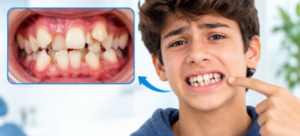
Orthodontic treatment focuses on correcting the position of teeth and improving the relationship between the upper and lower jaws. It can address crooked teeth, overcrowding, gaps, and several types of bite problems.
Treatment works by applying gentle, controlled forces to gradually move teeth into better positions. Depending on the patient's needs, an orthodontist may recommend fixed braces, removable clear aligners, or specialised orthodontic appliances.
The benefits go beyond improving the appearance of your smile. Straighter teeth may be easier to brush and floss, while correcting bite issues can improve how your teeth function together.

What Are the Different Types of Orthodontic Treatment?

1. Traditional Metal Braces

Traditional metal braces are one of the most widely used orthodontic treatments. They consist of brackets attached to the teeth and an archwire that applies controlled pressure to gradually move teeth.
Modern braces are smaller and more comfortable than older designs. They can treat a wide range of alignment and bite concerns, making them a suitable option for children, teenagers, and adults.
Because metal braces remain attached to the teeth throughout treatment, patients do not need to remember to wear them each day. They can also be effective for complex cases that require precise tooth movement.

2. Ceramic Braces

Ceramic braces work similarly to traditional braces but use clear or tooth-coloured brackets that are less noticeable.
They are often chosen by teens and adults who want the benefits of fixed braces with a more discreet appearance. However, ceramic brackets can be more delicate than metal brackets and may require extra care.
For patients looking for less visible fixed orthodontic treatment, ceramic braces can be an effective option.

3. Clear Aligners

Clear aligners are removable, custom-made trays designed to gradually move teeth into their planned positions. They have become a popular choice for patients who prefer a discreet alternative to braces.
Invisalign treatment in Jefferson City may be suitable for patients with certain alignment concerns. Clear aligners can be removed while eating, brushing, and flossing, making them convenient for many lifestyles.
However, aligners require patients to follow their orthodontist's instructions and wear them for the recommended amount of time each day. They may also not be appropriate for every complex orthodontic problem.

4. Lingual Braces

Lingual braces are attached to the back surfaces of the teeth, making them difficult to see from the front.
They provide a discreet fixed treatment option for patients who do not want visible brackets. However, lingual braces may take some time to adjust to and can be more challenging to clean.
An orthodontist can determine whether this treatment is suitable based on the patient's dental alignment and treatment goals.

5. Functional Appliances

Functional appliances are designed to help correct certain jaw and bite relationships. They are often used for growing children and teenagers while their jaws are still developing.
Depending on the patient's needs, these appliances may be removable or used alongside braces. They can play an important role in addressing certain developmental bite concerns.

6. Palatal Expanders

A palatal expander is used to widen a narrow upper jaw in suitable growing patients. It may be recommended to address certain crossbites, create additional space, or improve the relationship between the upper and lower arches.
Treatment with an expander is often more effective during childhood or adolescence while the jaw is still developing. Your orthodontist will determine whether this approach is appropriate for your child's needs.

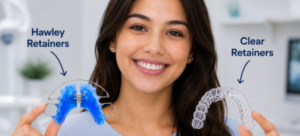
7. Retainers

Retainers are generally used after active orthodontic treatment to help maintain the new position of the teeth.
They may be removable or fixed, depending on the patient's treatment plan. Wearing a retainer as instructed is important because teeth can naturally shift over time.
Retainers do not typically replace active orthodontic treatment. Instead, they help protect the results achieved through braces or clear aligners.

Orthodontic Treatment for Children, Teens, and Adults

Orthodontic treatment can benefit patients at different stages of life.

Orthodontic Treatment for Children

An early orthodontic evaluation can help identify developing dental or jaw problems. Some children may benefit from early treatment, while others may simply need regular monitoring until they are ready for comprehensive care.
Depending on the situation, treatment may involve expanders, functional appliances, or braces.

Orthodontic Treatment for Teens

Teenagers commonly receive orthodontic treatment because most permanent teeth have erupted by this stage. Braces and clear aligners may be considered depending on the patient's alignment, bite, and ability to follow treatment instructions.

Orthodontic Treatment for Adults

It is never too late to improve the alignment of your teeth. Adults may choose orthodontic treatment to address long-standing alignment concerns or improve their bite.
Clear aligners and ceramic braces are popular discreet options, although traditional braces may be recommended for more complex cases.
If you are considering Braces treatment in Jefferson City, an orthodontic consultation can help you understand which options may be appropriate for your smile.

How Does Orthodontic Treatment Work?

Treatment begins with an orthodontic evaluation. Your orthodontist examines your teeth, bite, and jaw relationship and may use photographs, X-rays, or digital scans to create a personalised treatment plan.
The selected appliance then applies controlled forces to gradually move the teeth. The treatment duration depends on the complexity of the case, the chosen treatment method, and how closely the patient follows their orthodontist's instructions.
Once active treatment is complete, retainers are typically used to help maintain the results.
The best orthodontic treatment is not necessarily the newest or most popular option. It is the treatment that best addresses your individual dental and orthodontic needs.

How Do You Choose the Right Treatment?

Choosing between different orthodontic treatments depends on several factors, including:

  • The severity of tooth crowding or spacing
  • The type of bite problem
  • Your age and dental development
  • Your treatment goals
  • Your lifestyle and preferences
  • Your ability to follow treatment instructions
  • The complexity of your orthodontic needs

An experienced orthodontist in Jefferson City can evaluate your smile and explain the advantages and limitations of appropriate treatment options.
It is also important to understand that orthodontic treatment is different from cosmetic procedures such as teeth whitenting. Orthodontics focuses on tooth alignment and bite correction, while professional whitening treatments focus on improving tooth colour.

Common Orthodontic Problems Treatment Can Address

Orthodontic treatment may help correct several common orthodontic problems, including:

  • Crowded teeth
  • Crooked or rotated teeth
  • Gaps between teeth
  • Overbite
  • Underbite
  • Crossbite
  • Open bite
  • Protruding teeth
  • Certain jaw alignment concerns

The recommended treatment depends on the type and severity of the problem.

Frequently Asked Questions

1. What are the main types of orthodontic treatment?

The main options include traditional metal braces, ceramic braces, clear aligners, lingual braces, functional appliances, palatal expanders, and retainers. The right option depends on the patient's individual needs.

2. Are clear aligners better than traditional braces?

Neither treatment is best for everyone. Clear aligners offer a discreet and removable option, while traditional braces can be suitable for a broader range of complex alignment and bite concerns.

3. What type of orthodontic treatment is best for children?

Traditional metal braces are commonly used for children and teenagers, but some patients may benefit from expanders or functional appliances. An orthodontic evaluation is needed to determine the most suitable approach.

4. Can adults get orthodontic treatment?

Yes. Adults can benefit from orthodontic treatment at many stages of life. Depending on their needs, they may be candidates for braces or clear aligners.

5. How long does orthodontic treatment take?

Treatment time varies depending on the complexity of the case, the treatment method, and patient compliance. Your orthodontist can provide a personalised estimate following an evaluation.

With several modern orthodontic treatment options available, patients can choose from traditional braces, ceramic braces, clear aligners, and specialised appliances based on their individual needs. The right treatment can improve tooth alignment, address bite concerns, and support a healthier, more confident smile.
If you are considering orthodontic treatment, Progressive Orthodontics can help you explore your options and understand which approach may be right for your smile. Scheduling an orthodontic evaluation is the best way to identify your specific needs and develop a personalised treatment plan.